
About Northwestern Mutual
A better way to money® starts here.
A better conversation uncovers the opportunities that can lead to a better plan and a life better than you ever imagined. It's what your advisor is there for. And it's why we do what we've been doing for over 165 years.
Get startedWhat a better way to money® means for you.
Better conversations
Our financial advisors are expert listeners who ask deeper questions to understand your goals and priorities, revealing blind spots and opportunities others miss.
Better solutions
Our exclusive portfolio of financial products is designed to meet you where you are, at every stage in your life, identifying and addressing any gaps you might have.
Better outcomes
Independent research analysis has shown that our comprehensive approach to planning can lead to better long-term outcomes.1
Get weekly emails to help you reach your goals, big or small.
Your financial strength, powered by ours.
You can focus on all your big plans when your financial plan is backed by the strength of Northwestern Mutual.
AAA financial strength rating
A++, Aa1, AA+—we've earned the highest available financial strength ratings awarded to any U.S. life insurer from all four major rating agencies.2
$9.2B in dividends expected to be paid in 2026
in dividends expected to be paid in 20263
Top 10 ranked investment service
We're one of the top U.S. Independent Broker-Dealers.7
We believe in putting people first.
As a mutual company, people are our DNA. We don't have shareholders, so instead of reporting to Wall Street, we answer to our policyowners. And since our company belongs to them, our profits go to them in the form of dividends.4 Not only is Northwestern Mutual's dividend payout larger than our two closest competitors combined,5 we've paid them every year since 18723. So when we do well, you do well, too.

We believe in the expertise of our financial advisors.
Your financial go-to. Your trusted partner who helps you continue to reach goal after goal. These expert listeners hear what's most important to you and put the right financial options and strategies into a personalized plan designed to make it happen. All in a pressure-free, judgment-free environment. Here's a little more about what it's like to work with our financial advisors.
Earning accolades and serving as thought leaders across the industry, our advisors bring a broader perspective that goes beyond your portfolio. For those with substantial means, discover our exclusive approach to private wealth management.

Just a few numbers we'd like to share with you:
- 5.1M+ people we're proud to call clients
- 8,000+ financial advisors and professionals we're honored to have on our team
- 97% of our clients stay with us year over year6
- Top 10—We're one of the top U.S. Independent Investment Broker-Dealers7
We believe in being at our best—even when things look their worst.
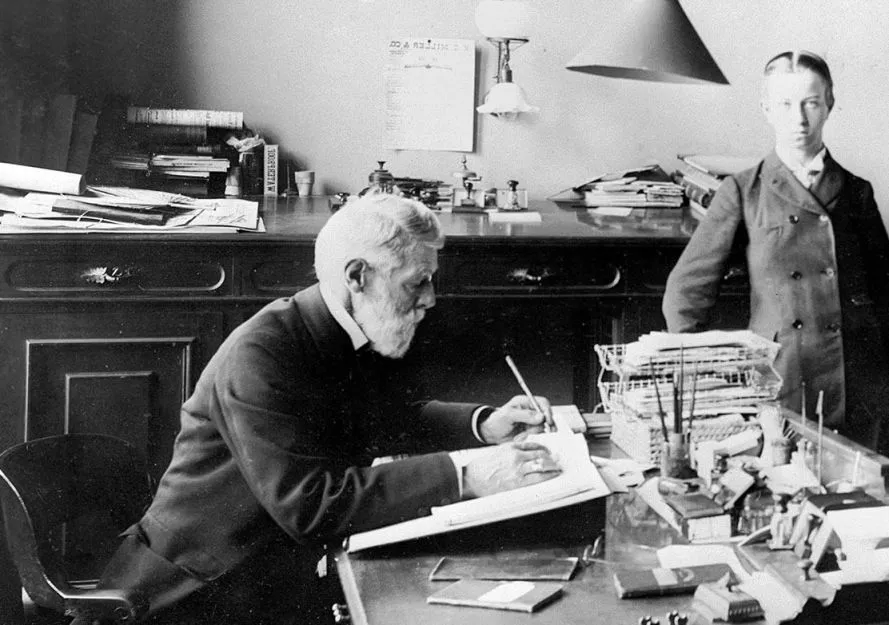
The year was 1859. An ox and a passenger train collided just outside Johnson Creek, Wisconsin, and two of our policyowners lost their lives in the wreck. The claims totaled $3,500, which was $1,500 more than our two-year-old company had on hand. Our then-President, Samuel S. Daggett, and his fellow trustees personally borrowed the money to settle the claims, proving that our dedication to our clients has been around as long as the company itself.
We believe in inclusion.
Creating financial security for our clients and maintaining industry-leading financial strength requires a workforce with a variety of experiences, backgrounds, abilities, and perspectives. Our vibrant culture inspires pride, nurtures trust, values inclusion, supports growth, and drives high performance. It's how we attract and retain exceptional talent to fulfill our mission of relieving Americans from financial anxiety.
More about our culture of belonging
We believe in investing in our communities.
We support transformational and sustainable community strategies that help improve lives. Our 30-year support for education, neighborhood reinvestments, and our contributions to cultural vitality have made our hometown of Milwaukee, Wisconsin, a healthier, more vibrant community. Since 2012, we've been committed to accelerating the search for better treatments and cures for childhood cancer while supporting families during treatment and survivors living with long-term effects.
Learn more
We believe in leading by example.
From our Board of Trustees to our CEO, our leaders live and breathe the principles Northwestern Mutual was founded on: doing what's right for our clients, taking the long view, delivering superior product value, building lifelong relationships, and maintaining exceptional financial strength. And they inspire all of our employees and advisors to do the same.
More about our leaders

Ready to feel better about your finances?
Your advisor is here to help make it happen and guide you every step of the way.
It's easy to get started—no commitment, just a better conversation.